
About Hip Replacement Surgery
Hip replacement, also known as hip arthroplasty, is a surgical procedure in which damaged portions of the hip joint are replaced with artificial components. It may be considered when conditions such as advanced osteoarthritis, rheumatoid arthritis or certain hip injuries cause persistent pain and difficulty with everyday activities.
At Arthrocare Bone and Joint Clinic in Patna, Dr. Abhishek Kumar Das assesses hip pain and joint damage to help patients understand their treatment options. The appropriate approach depends on the underlying condition, symptoms, imaging findings, general health and individual treatment goals.
Hip Replacement Image
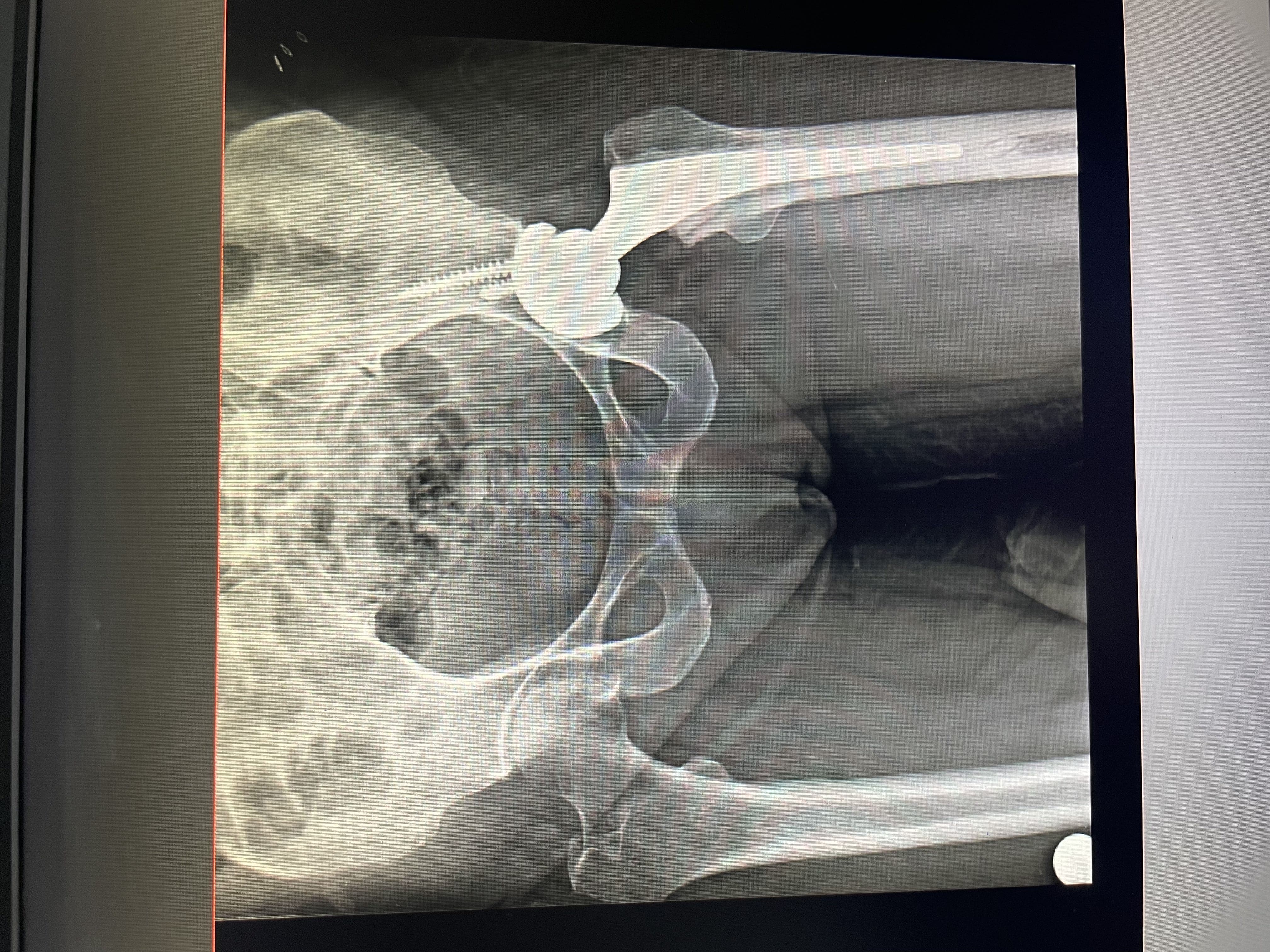
Types of Hip Replacement
The type of hip replacement recommended depends on the condition of the hip joint, the extent of damage and the patient's clinical needs. Two common procedures are total hip replacement and hemiarthroplasty, also called partial hip replacement.
Total Hip Replacement
Total hip replacement involves replacing the damaged ball at the top of the thigh bone and the affected joint surface of the hip socket with artificial components. It may be considered for selected patients with advanced arthritis or substantial joint damage when other appropriate treatments have not provided sufficient relief.
Hip replacement implants use different bearing materials, which may include:
- Metal-on-polyethylene: A metal or compatible alloy femoral head articulates against a polyethylene liner in the socket component.
- Ceramic-on-polyethylene: A ceramic femoral head articulates against a polyethylene liner.
- Ceramic-on-ceramic: Ceramic bearing surfaces are used for both the femoral head and the socket liner in suitable implant systems.
Implant materials and designs are selected according to individual clinical requirements. The suitability of a particular implant depends on factors such as age, activity level, bone condition and the surgeon's assessment.
Partial Hip Replacement (Hemiarthroplasty)
In a hemiarthroplasty, the damaged femoral head is replaced with an artificial component while the natural hip socket is retained. This procedure may be appropriate for selected hip fractures, particularly in older adults. The choice between partial and total hip replacement depends on the fracture, the condition of the joint, the patient's health and functional needs.
When Might Hip Replacement Be Necessary?
Hip replacement may be considered when damage to the joint causes persistent pain, stiffness or reduced mobility that significantly affects daily life. Common reasons for assessment include:
- Advanced osteoarthritis of the hip.
- Rheumatoid arthritis affecting the hip joint.
- Joint damage following an injury or fracture.
- Persistent hip pain and reduced function despite appropriate non-surgical treatment.
- Selected hip fractures for which partial or total hip replacement may be recommended.
Symptoms such as difficulty walking, pain during everyday activities, reduced hip movement and disturbed sleep may warrant an orthopaedic assessment. Not everyone with hip pain needs surgery. Depending on the diagnosis, treatment may include medication prescribed by a clinician, activity modification, physiotherapy or other appropriate non-surgical measures.
What Happens During Hip Replacement Surgery?
Before surgery, the orthopaedic team assesses the hip joint, reviews relevant imaging and medical history, and discusses the proposed procedure, possible risks and expected rehabilitation. The anaesthesiologist explains suitable anaesthesia options based on the patient's health and the planned operation.
During hip replacement surgery, the damaged joint surfaces are prepared and replaced with appropriately selected artificial components. The procedure aims to improve joint function and relieve pain caused by the underlying joint condition, although individual results and recovery times vary.
After surgery, the hospital team monitors recovery and provides guidance on wound care, movement and pain management. Physiotherapy and a personalised rehabilitation plan help patients work towards safer mobility and a gradual return to everyday activities.
Recovery After Hip Replacement
Recovery depends on the type of surgery, general health, pre-existing mobility and other individual factors. Some patients begin supported movement soon after surgery, as advised by their clinical team. Follow-up appointments and prescribed exercises help monitor progress and guide rehabilitation.
Patients should follow their surgeon's instructions about walking aids, activity restrictions, wound care and when to resume daily activities. Recovery timelines differ, and no particular outcome can be guaranteed.
Hip Replacement Surgery Cost in Patna
The cost of hip replacement surgery varies according to the type of procedure, implant selected, hospital facilities, length of hospital stay, medical requirements and rehabilitation needs. The total treatment plan can only be discussed meaningfully after an individual clinical assessment and review of the proposed procedure.
Contact Arthrocare Bone and Joint Clinic to enquire about a consultation with Dr. Abhishek Kumar Das and to discuss the factors that may affect your treatment plan and associated costs.
Consult an Orthopaedic Specialist About Hip Pain
If hip pain, arthritis or joint damage is affecting your mobility, an orthopaedic assessment can help clarify the cause and the available treatment options. Dr. Abhishek Kumar Das is associated with Medanta, Patna, and Arthrocare Bone and Joint Clinic.
Contact the clinic in Patna to enquire about hip replacement assessment and appointment availability.
Book an Appointment on WhatsApp
Clinic: Arthrocare Bone and Joint Clinic
Address: Vivek Nagar Society, Atal Path, East Boring Canal Road, beside Reliance Trends, Patna, Bihar 800001
Phone:
+91 9523432866